The 2016 Stereoscopic Discovery
In 2016, researchers made a groundbreaking discovery: Leonardo da Vinci used stereoscopic techniques in the Mona Lisa, creating the world's first 3D portrait painting.
🔠The Evidence
Computer analysis revealed two slightly different viewpoints painted within the same canvas, creating a stereoscopic effect when viewed properly.
âš¡ The Innovation
500 years before modern 3D technology, Leonardo embedded depth perception directly into his painting technique.
🎨 The Result
When viewed stereoscopically, the Mona Lisa reveals unprecedented depth and dimensionality, bringing her to life.
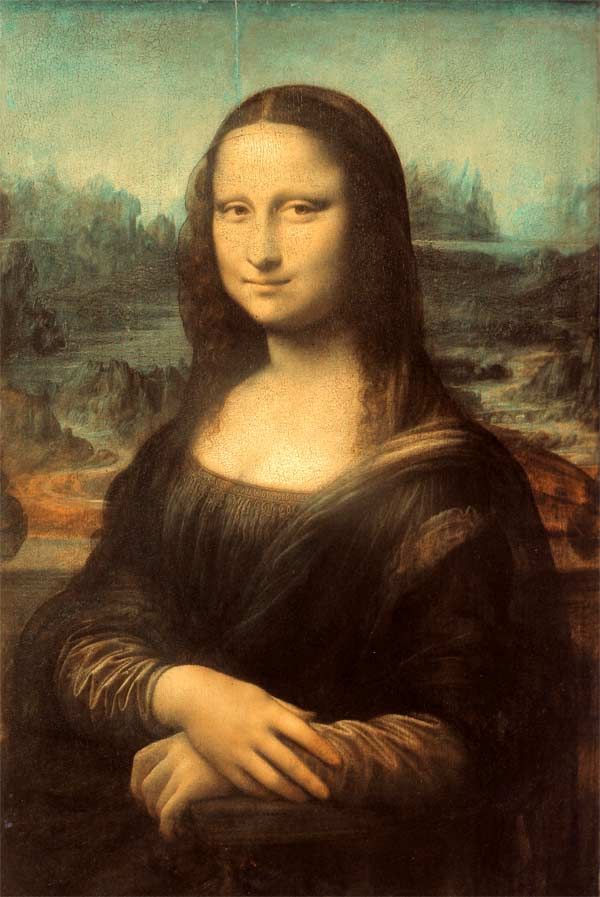
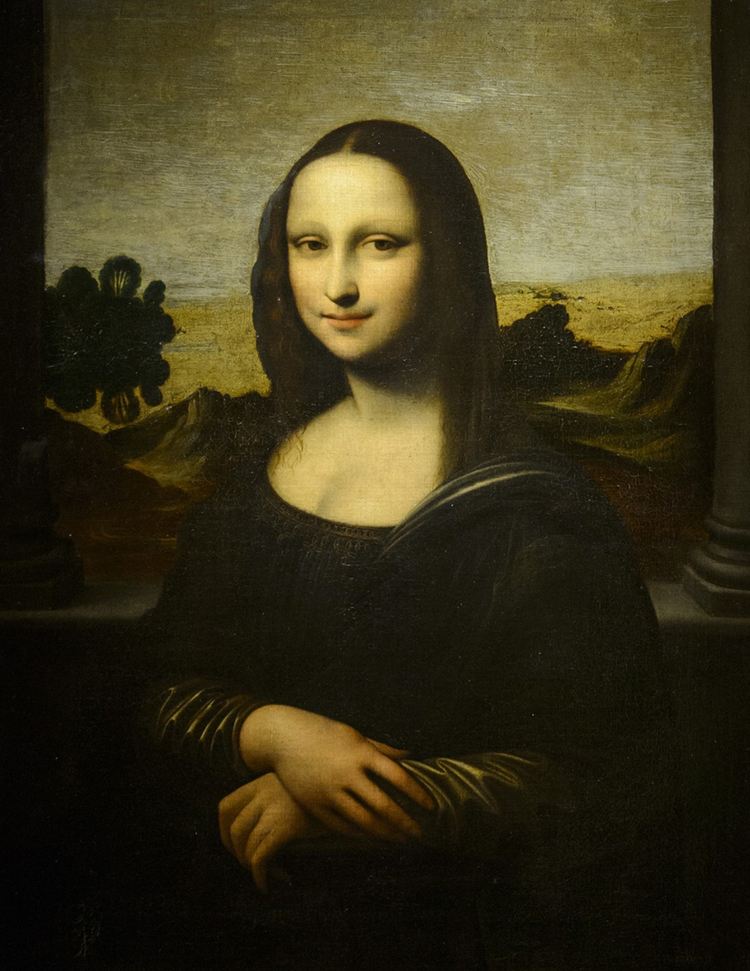
Technical Analysis
Discovery Method
Using advanced computer vision algorithms, researchers identified micro-differences in perspective between different areas of the painting.
- Pixel-level displacement analysis
- Perspective geometry calculations
- Depth mapping algorithms
- Historical painting technique verification
Leonardo's Technique
Leonardo achieved stereoscopic depth by painting from two slightly different viewpoints within the same canvas.
- Left eye perspective in background elements
- Right eye perspective in foreground details
- Seamless blending of viewpoints
- Unconscious 3D perception effect
Historical Significance
This discovery proves Leonardo was centuries ahead of his time in understanding human vision and depth perception.
- Predates stereoscopic photography by 300+ years
- Shows advanced understanding of binocular vision
- Explains the painting's unique "lifelike" quality
- Revolutionizes Renaissance art interpretation
Scientific Evidence
Multiple independent studies have confirmed the stereoscopic properties of the Mona Lisa.
- University research publications
- Computer vision analysis
- Art historian verification
- Peer-reviewed scientific papers